The landscape of product visualization has undergone a remarkable transformation in recent years. As someone who has been deeply involved in developing virtual showroom solutions at ByondXR, I’ve witnessed firsthand how 3D visualization technologies are reshaping how brands and retailers interact with their products and customers. Let me share some critical insights from our journey of revolutionizing digital product presentation.
The Virtual Showroom Revolution
Remember the days when businesses relied solely on physical showrooms and seasonal market weeks? While these traditional approaches served us well, the digital transformation of B2B commerce has opened up unprecedented opportunities. According to McKinsey’s latest B2B sales research, 70% of B2B decision makers now prefer digital interactions and self-service options. This shift isn’t just about convenience; it’s about reimagining how products are discovered, experienced, and purchased in the digital age.
1. Dynamic Engagement: Beyond Static Presentations
The power of dynamic content in virtual showrooms has proven transformative. During a recent collaboration with a leading fashion retailer, their VP of Digital Innovation noted: “Virtual showrooms aren’t just digital spaces; they’re living, breathing environments that capture the essence of our brand and products in ways physical showrooms never could.”
This dynamic approach to product presentation has shown remarkable results. When we implemented interactive 3D catalogs for a major home furnishing brand, their buying team reported a 40% reduction in decision-making time. As their Chief Merchandising Officer explained, “The ability to see products from every angle, in different configurations and contexts, has dramatically streamlined our buying process.”
2. Contextual Intelligence: The Power of Virtual Environments
In the virtual showroom space, context isn’t just about showing products in room settings – it’s about creating complete, immersive environments that tell a brand’s story.
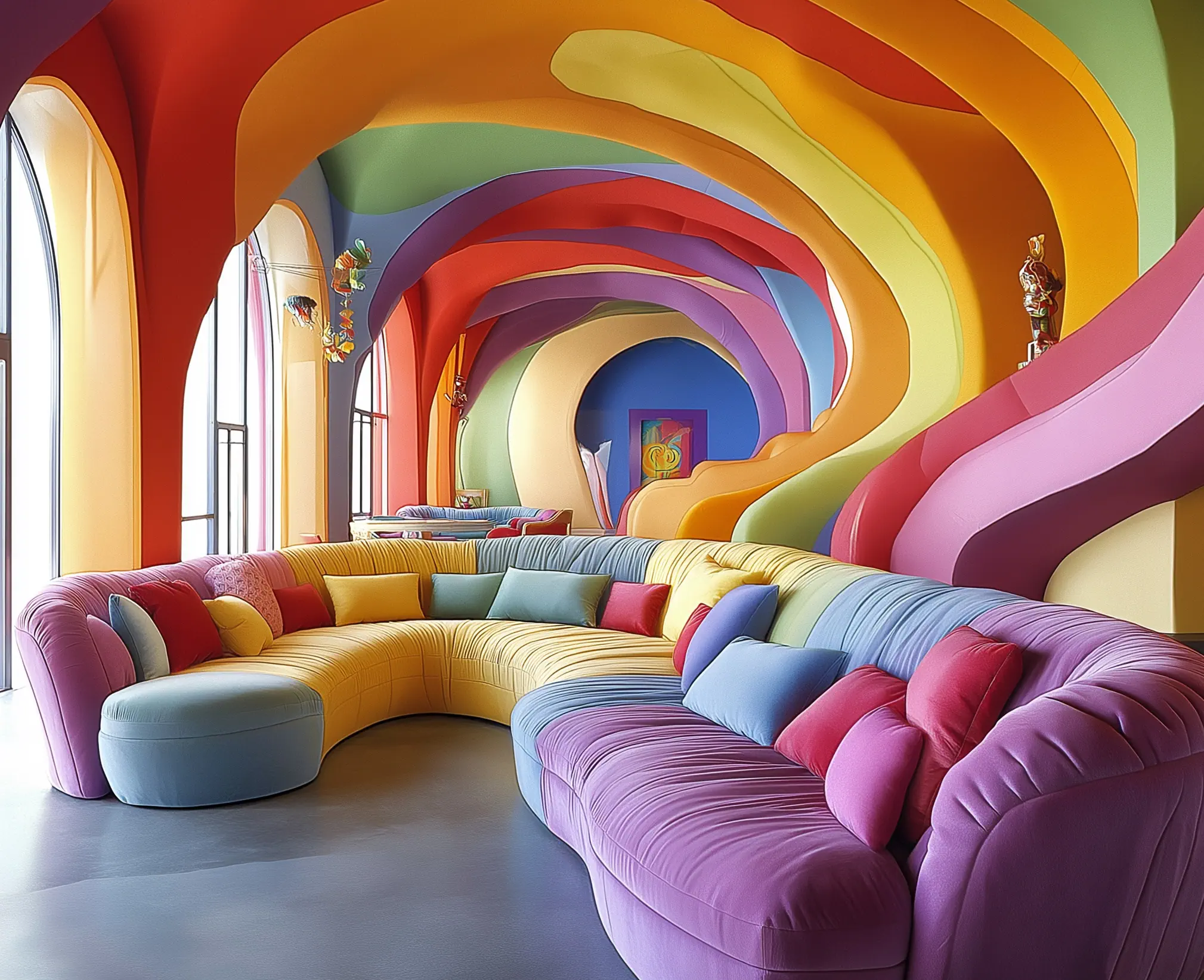
Our experience implementing virtual showrooms has shown that success lies in creating what we call “contextual ecosystems.” For instance, when working with a luxury furniture manufacturer, we created environments that didn’t just showcase individual pieces but demonstrated how entire collections work together in different settings – from modern urban apartments to traditional suburban homes.
3. The Art of Digital Product Discovery
The way buyers explore products in virtual environments mirrors physical showroom behavior, but with enhanced capabilities. David Zhang, Digital Innovation Director at a leading retail chain, shared during our recent webinar: “What amazed us was how virtual showrooms enabled our buyers to discover products in ways that weren’t possible before. They could instantly switch between different configurations, colors, and environments – something that would take hours or even days in a physical showroom.”
This enhanced discovery process has led to what we call “infinite showrooming” – the ability to explore endless product variations and combinations without physical constraints. According to our internal data, buyers who engage with products in virtual showrooms explore 3.5 times more variations than those using traditional digital catalogs.
4. Breaking Free from Traditional Constraints
Let’s talk about something that’s been both challenging and enlightening in my experience: helping brands break free from traditional visualization methods. I’ve sat in countless meetings where marketing directors clutch their photoshoot schedules like security blankets, and I understand why. These tried-and-true processes have been their foundation for years, sometimes decades.
One conversation that really stands out was with a homeware brand’s creative director. “We spend six months planning our seasonal shoots,” she told me, “and we still only manage to showcase 30% of our catalog.” This limitation isn’t just about resources – it’s about the fundamental constraints of traditional photography in today’s fast-paced, personalized retail environment.
The resistance to change often comes from a place of pride in craftsmanship. Many brands have perfected their photography process over years, developing specific styles and quality standards. What we’ve learned is that the transition doesn’t have to be an either-or proposition. Instead, we’ve found success in helping brands gradually expand their visual storytelling capabilities while maintaining their unique aesthetic identity.
A perfect example comes from our work with a kitchen appliance manufacturer. They were initially skeptical about moving away from traditional photography, particularly concerned about maintaining their premium brand image. We started small, using AI-generated visuals for product variations while keeping their hero shots traditional. The result? They not only maintained their brand standards but found they could now showcase every color option, every configuration, in every possible kitchen style – something that would have been logistically impossible with traditional photography alone.
5. Interactive Merchandising in Virtual Spaces
Let me share a revelation that changed how we think about product discovery. During a user testing session, we noticed something fascinating: customers weren’t just looking at products; they were creating stories around them. This observation led to one of our most successful implementations of interactive product combinations.
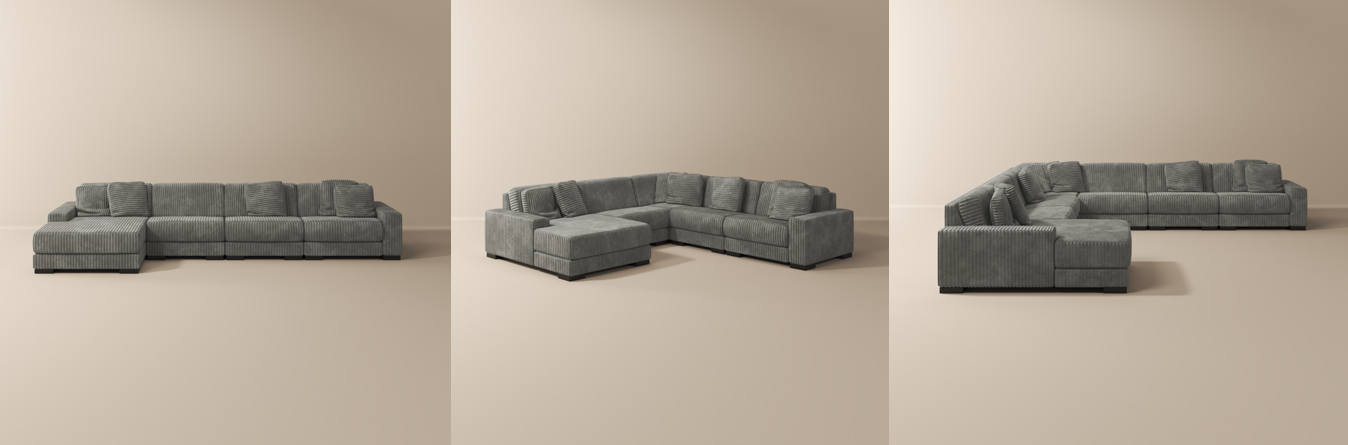
Take, for example, our work with a modern furniture retailer. We noticed that customers viewing a sofa would often switch back and forth between different product pages, trying to mentally piece together a complete living room. By implementing interactive product suggestions – not just as static recommendations, but as dynamic, visualized combinations – we created what we call “discovery loops.” These loops keep users engaged in an exploratory journey, each product naturally leading to complementary items in contextually relevant settings.
Here’s a real-world example that illustrates the power of this approach: A customer looking at a minimalist dining table was presented with an interactive option to see it paired with different chair styles. As they explored these combinations, they could seamlessly switch between different room settings, lighting conditions, and decor styles. What started as a search for a single piece of furniture turned into an engaging journey of discovering their personal style preferences.
Another successful implementation was with a home decor brand where we created what we called “mood board moments.” Customers could build their own space in real-time, dragging and dropping items into a virtual room, all while maintaining perfect scale and style consistency. The average session time increased significantly, but more importantly, the quality of engagement improved – customers weren’t just browsing, they were creating.
Looking Ahead: The Future of Virtual Commerce
As we look to the future, several emerging trends are shaping the next generation of virtual showrooms:
- Integration of AI-powered recommendations for merchandising decisions
- Enhanced collaboration tools for global buying teams
- Real-time analytics on product interaction and buyer behavior
- Sustainable practices through reduced physical sampling and travel
Final Thoughts
The evolution of virtual showrooms represents more than just a technological advancement – it’s a fundamental shift in how businesses present, sell, and interact with their products. As we continue to push the boundaries of what’s possible in digital environments, one thing remains clear: the future of B2B commerce will be increasingly virtual, interactive, and immersive.
We’d love to hear about your experiences with product visualization and how you see it evolving. Feel free to reach out – the future of e-commerce visualization is being written now, and it’s more exciting than ever.